
Iligan Celebrates a Milestone in Local History
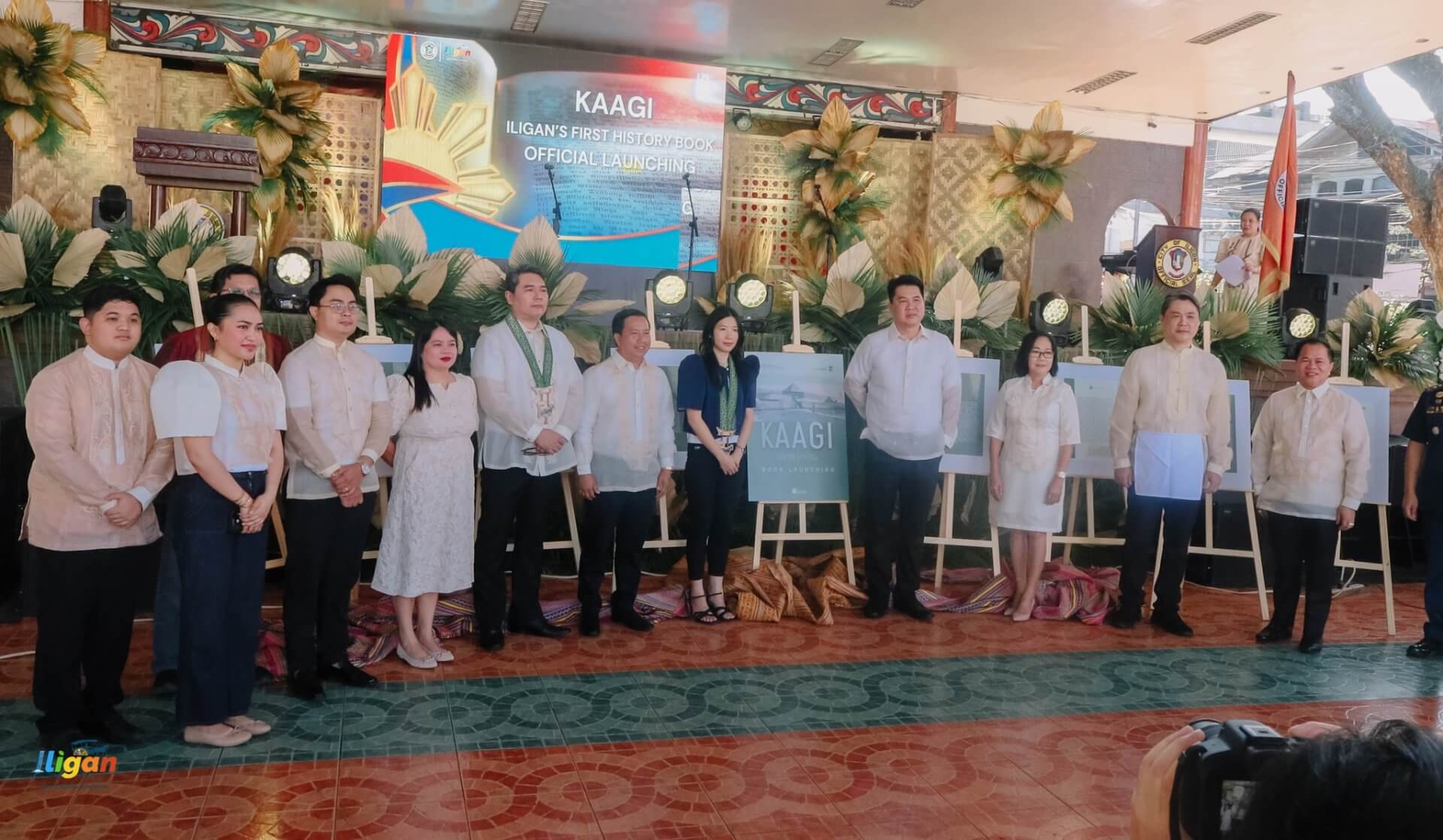
KAAGI, Iligan City’s first official history book, was formally unveiled on December 30, 2025, at Rizal Park as part of the 129th Rizal Day Commemoration. The launch marked a significant step in preserving and presenting Iligan’s historical and cultural narrative through a comprehensive, scholarly work.
The project was led by the MSU–IIT History Department in collaboration with the Iligan City Government, reflecting a shared commitment to documenting the city’s past for present and future generations.
The event was attended by Commissioner Cecilia B. Tangian of the National Historical Commission of the Philippines, underscoring the national significance of the publication. Representing MSU–IIT, Campus Secretary Sir Rex Godinez Ortega delivered a message on behalf of Chancellor Prof. Alizedney M. Ditucalan, JD, LLD, highlighting the collaborative effort and institutional partnership behind the book’s completion.
Inside KAAGI: Seven Chapters of Iligan’s Story
During the launch, Associate Professor Marjorie Almario-Magdadaro, PhD, presented an overview of KAAGI, explaining how the book traces Iligan’s transformation through seven interconnected chapters:
- Chapter I – Establishes geography as the foundation of Iligan’s history, linking rivers, mountains, and the bay to settlement, identity, and politics.
- Chapter II – Reconstructs Iligan’s pre-colonial past using archaeology, oral traditions, and regional Asian connections.
- Chapter III – Examines Iligan as a Spanish frontier shaped by missionary rivalry and environmental challenges.
- Chapter IV – Explores American rule and World War II, highlighting governance shifts and community resilience.
- Chapter V – Focuses on postwar recovery and industrial growth.
- Chapter VI – Situates Iligan during the Martial Law period, emphasizing militarization and local activism.
- Chapter VII – Reflects on Iligan after its industrial peak, examining heritage, reinvention, and post-industrial change through culture, technology, and sustainability.
Prof. Almario-Magdadaro emphasized that KAAGI is a collective effort to document and give voice to local history, reminding readers that history lives not only in archives but in people and places.
Preserving the Past, Shaping Iligan’s Future
Launched on Rizal Day, KAAGI reinforces the importance of history and literature in shaping civic identity and guiding future community development. The book stands as both a scholarly achievement and a cultural resource for Iliganons, educators, and readers seeking to understand the city’s evolving story.